


What made this even more remarkable was the fact that the movie was about a speech therapist. The King’s Speech tells the story of King George VI of England. A royal son who never expected to become king, he was eelevated to the throne at the beginning of the war with Germany and was called upon to address the nation over the new medium radio. The film not only traces the king’s struggle to find his voice, but portrays the growth of his friendship with speech therapist Lionel Logue, a commoner and an Australian whose controversial methods focused not only the technique but the reasons behind the king’s impediment.
As a preacher I can identify with the king’s dread of public speaking. The expression on Colin Firth’s face as he approaches the microphone for the first time captures the dread felt by anyone who must make a public address. As someone who teaches others to preach, I identified with Lionel Logue, winsomely portrayed by Geoffrey Rush, whose performance captures the thrill of pride every teacher feels when a student makes genuine progress.
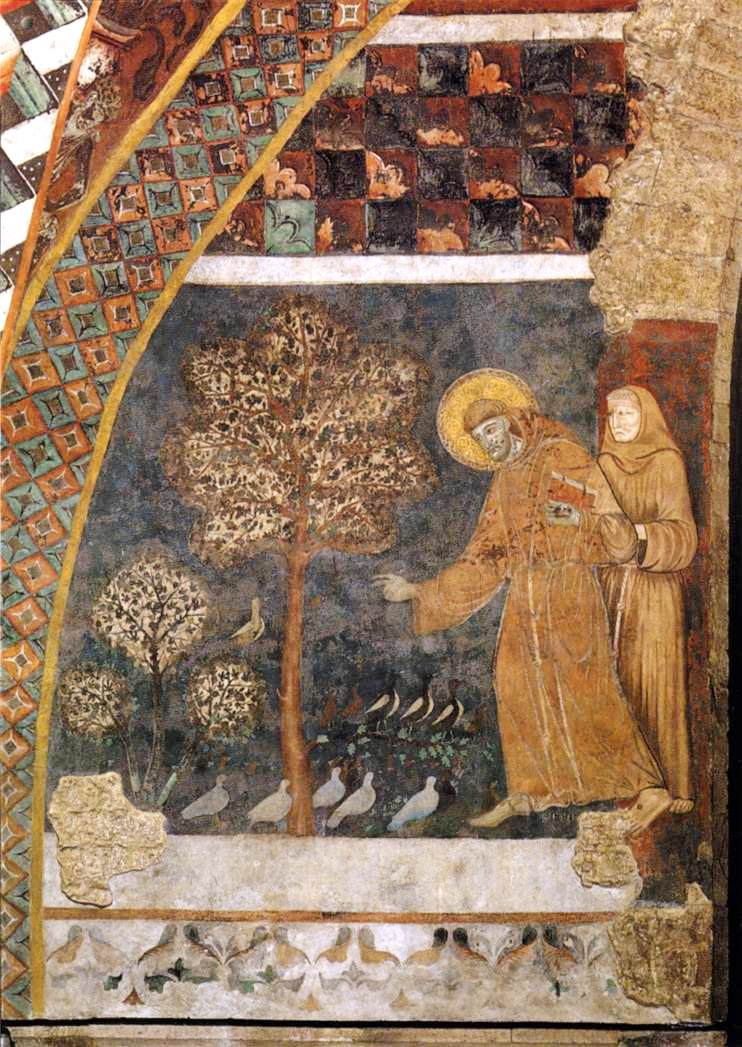
As a Christian and a preacher, I could not help thinking how important the voice is to the Christian faith. As Stephen Webb observes in his book The Divine Voice: “Christianity has an oral quality.” Christianity and public speaking are bound together. St. Francis is supposed to have told his followers to “preach the gospel at all times, if necessary use words.” If this is true, it was foolish counsel to give. The gospel is a verbal message. It cannot be communicated apart from words. As those who speak for the king of Kings, this is not only our duty. It is our great privilege.