


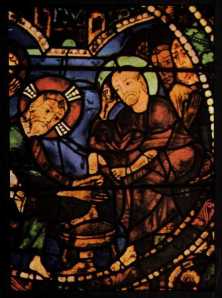


I think the same could be said of our notion of what it means to follow Jesus. We are preoccupied with radical Christianity. We are waiting for an opportunity to do something epic–something extreme. The everyday is spiritually uninteresting to us.
In reality, when we follow Jesus, what we do is liable to be so common, so knit together with the fabric of our ordinary lives, that our actions will be virtually invisible. So invisible, in fact, that we often do not recognize it as following Jesus. “Lord,” we will say when the true significance of our actions are finally pointed out to us, “when did we see you hungry and feed you, or thirsty and give you something to drink? When did we see you a stranger and invite you in, or needing clothes and clothe you? When did we see you sick or in prison and go to visit you?” And Jesus will reply, “I tell you the truth, whatever you did for one of the least of these brothers of mine, you did for me.”
Perhaps this is why I do not find talk about “radical” Christianity especially motivating or particularly helpful. I suspect that if we were to really examine the lives of “radical” saints from the past, we would find that the extreme obedience we so admire in them was really an extension of their day-to-day devotion to Christ in the small things of life.